[REPORT] Connect Your Wallet: Towards a Citizen-Centric Digital Identity
From government apps to interoperable wallets: the next leap in digital governance


Introduction
Over the past decade, countries such as Argentina, Mexico, Colombia, Uruguay, and Chile have expanded access to digital services, creating millions of online citizen accounts. Yet most of these systems still operate under centralized or federated models, where governments control data repositories and citizens adapt to fragmented platforms.
The result is a digital landscape where progress in accessibility coexists with structural limitations: low interoperability, privacy concerns, and fragile technological sovereignty.
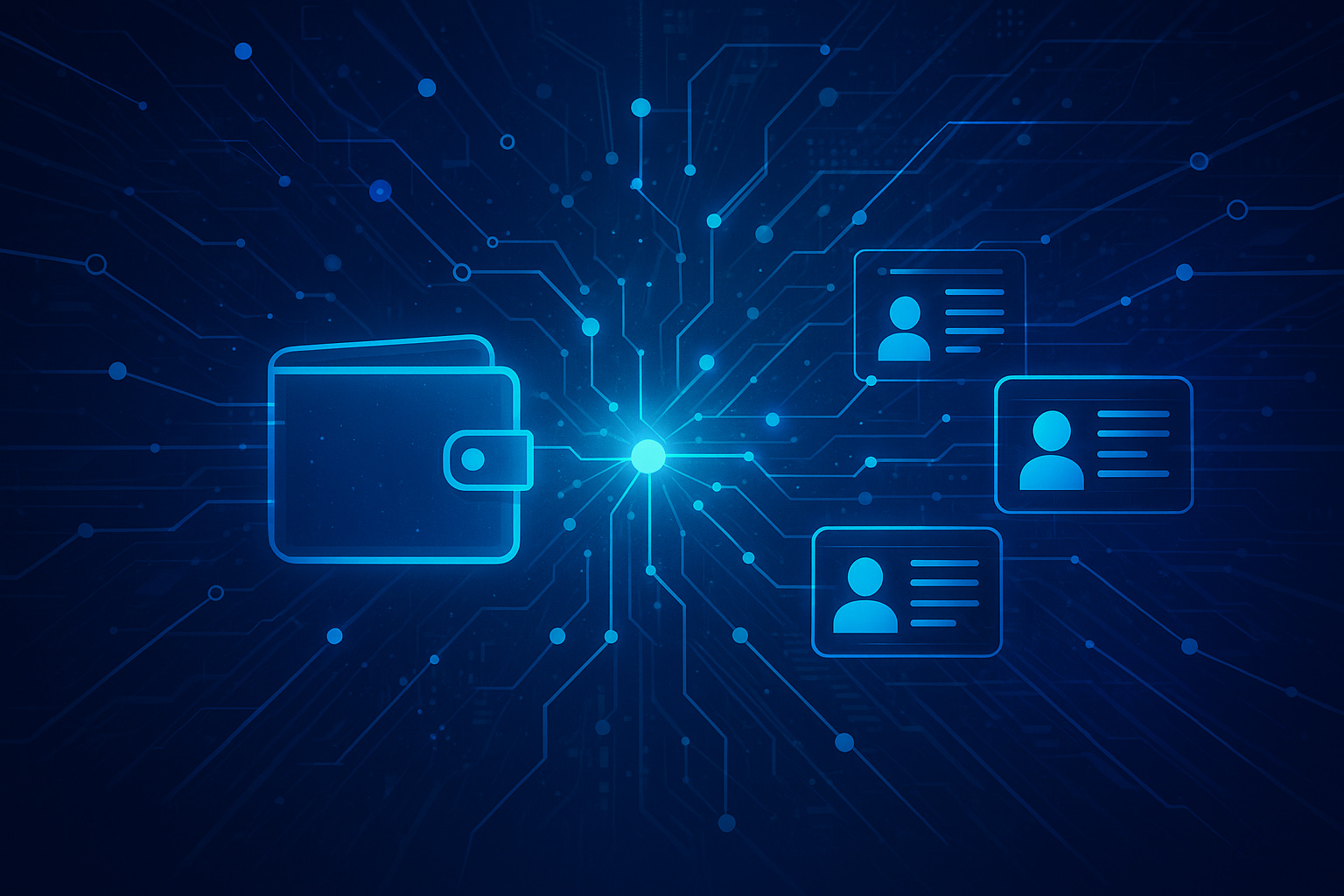
This report, “Connect Your Wallet: Towards a Citizen-Centric Digital Identity” explores a new paradigm for public digital infrastructure: one where citizens hold their own credentials, and governments become trusted issuers within a decentralized, interoperable ecosystem.
About the Report
The publication provides a strategic framework for governments, institutions, and innovation leaders in Latin America seeking to modernize identity systems while preserving trust, privacy, and autonomy.
It offers:
A critical diagnosis of current digital identity models in the region.
An in-depth explanation of how decentralized identity wallets work.
Real-world examples from Buenos Aires, Salta, and Nuevo León, where governments have already implemented verifiable credential systems.
Policy recommendations for designing citizen-centric, standards-based digital infrastructures.
Key Insights
Centralized platforms increase dependency and vulnerability; data is stored in silos that weaken interoperability.
Super-apps create digital monopolies that replicate offline bureaucracy online.
Decentralized wallets empower citizens to control their credentials, ensuring privacy through selective disclosure and zero-knowledge proofs.
Governments remain key actors, but as credential issuers—not custodians of identity.
Open standards (W3C Verifiable Credentials, Decentralized Identifiers, Trust over IP) already make cross-border verification possible.
Latin America leads globally, with pioneering deployments like QuarkID (Buenos Aires), Sovra Wallet (Salta), and NLínea (Nuevo León).
Why It Matters Now
The acceleration of AI, blockchain, and data interoperability has reshaped how citizens interact with the public sector. At the same time, cybersecurity risks and data centralization threaten public trust.
By embracing decentralized identity, governments can build secure, citizen-owned infrastructures that strengthen transparency and inclusion—while reducing administrative complexity.
Latin America, with its vibrant innovation ecosystems and openness to collaboration, is uniquely positioned to become a global hub for digital trust and identity innovation.